MASCULINIZING WOMEN
The historical push for women's rights has gradually evolved into a deliberate cultural project to masculinize women.
By the 1990s, mainstream media and the entertainment industry began aggressively promoting an artificial ideal, presenting the male way of existence -characterized by relentless competition and physical aggression- as the ultimate standard for women.

GENDER REPROGRAMMING
IN NUMBERS
The fruits of this cultural engineering are undeniable. Psychological research utilizing the BEM Gender Scale documents the rapid success of this reprogramming.
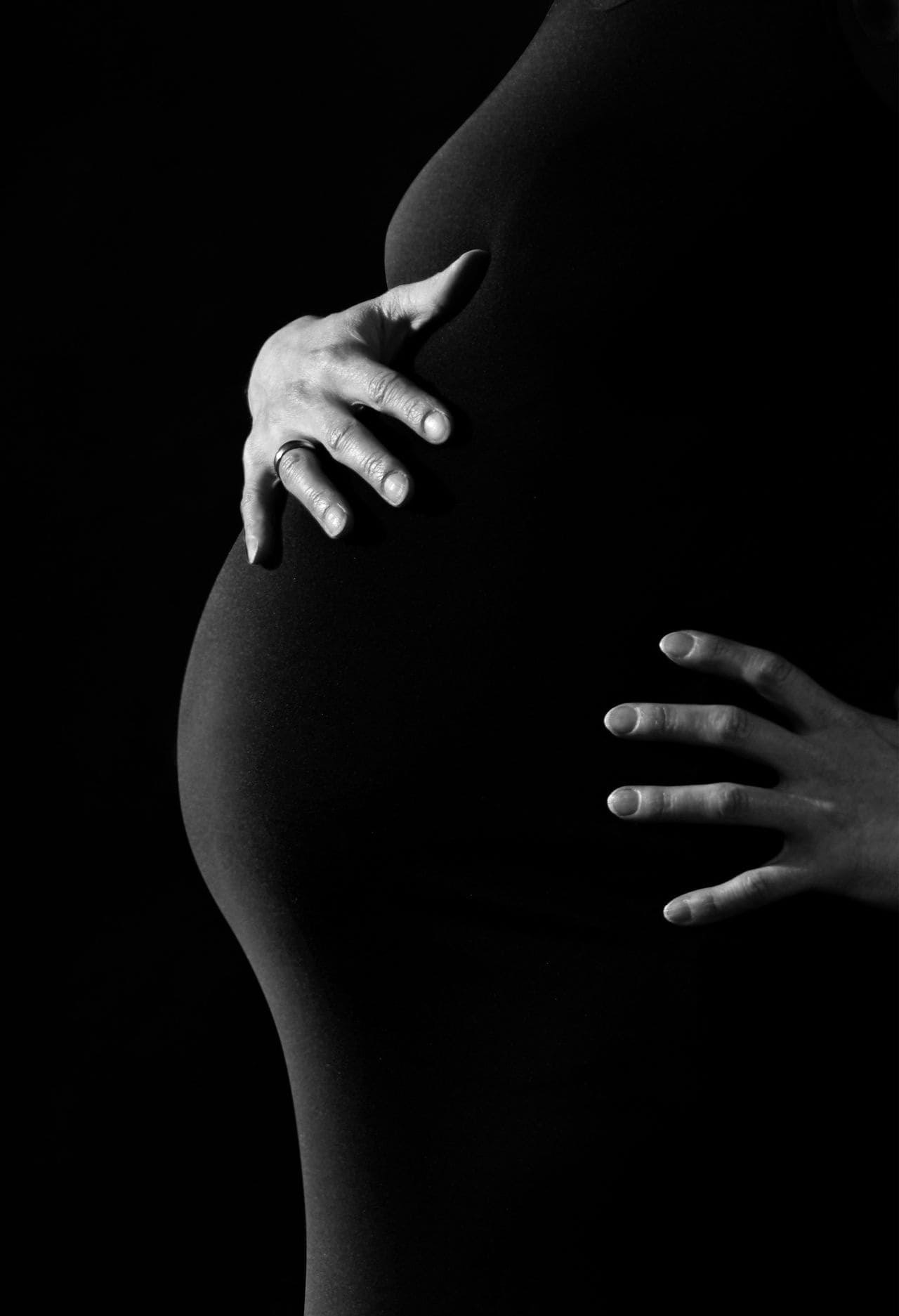
The Physiological Cost of Delayed Motherhood
A significant consequence of this trend is a drastic shift in marital timing, which accelerates national demographic decline and imposes a direct physiological cost on women.
Since the 1970s, the average age of first marriage in the United States has climbed from the early twenties to nearly twenty-nine for women, and past thirty for men³.
Rejecting or postponing motherhood strips women of the profound biological protections they would naturally enjoy.
THE PSYCHOLOGY OF
DUAL UNITY
To understand the deep psychological toll of masculinization, one must examine the foundational structures of human nature. Across ancient wisdom traditions, human ecology is understood through the principle of complementary balance.
Within the Sufi tradition of Islamic philosophy, human psychological traits are categorized into two primary codes: Jalal and Jamal. Jalal represents attributes of majesty, authority, and strength, and predominantly structures the male psyche. Jamal encompasses attributes of beauty, compassion, and selfless love, and predominantly governs the female psyche.
When men and women unite, these complementary forces attract one another. The female presence of Jamal refines the male tendency toward harshness, while the male presence of Jalal provides structure and protection, creating a harmonious "dual unity.
The Crisis of Suppression
When cultural engineering forces women to adopt a masculinized lifestyle, it demands the active suppression of their dominant Jamal qualities. Essential traits like sensitivity, emotional warmth, compassion and the inherent desire to nurture are sidelined in favor of hyper-competitive Jalal attributes.
The classical Sufi philosopher Ibn 'Arabi described the psychological pain of suppressing one's innate disposition as karb—a suffocating existential distress likened to holding one's breath and being entirely unable to exhale. Modern psychiatric data clearly reflects this reality:
Lifelong depression and anxiety rates are significantly higher in women than in men.⁶
By the 2020s, the prevalence of clinical depression among adolescent girls reached over 25%, compared to just 9% for boys.⁷
Sources:
¹
Jean M. Twenge, Generation Me (New York: Atria Books, 2014), 266.
²
Ibid.
³
United States Census Bureau, "Historical Marital Status Tables. Table MS-2. Estimated Median Age at First Marriage, by Sex: 1890 to the Present," November 22, 2021.
⁴
E. White, "Projected Changes in Breast Cancer Incidence Due to the Trend Toward Delayed Childbearing," American Journal of Public Health 77, no. 4 (1987): 495-497.
⁵
National Cancer Institute, "Reproductive History and Cancer Risk," National Institutes of Health, November 9, 2016.
⁶
R. C. Kessler, K. A. McGonagle, M. S. Swartz, D. G. Blazer, and C. B. Nelson, "Sex and Depression in the National Comorbidity Survey I: Lifetime Prevalence, Chronicity and Recurrence," Journal of Affective Disorders 29, no. 2-3 (1993): 85-96.
⁷
National Institute of Mental Health, "Major Depression," U.S. Department of Health and Human Services, 2020.
